History
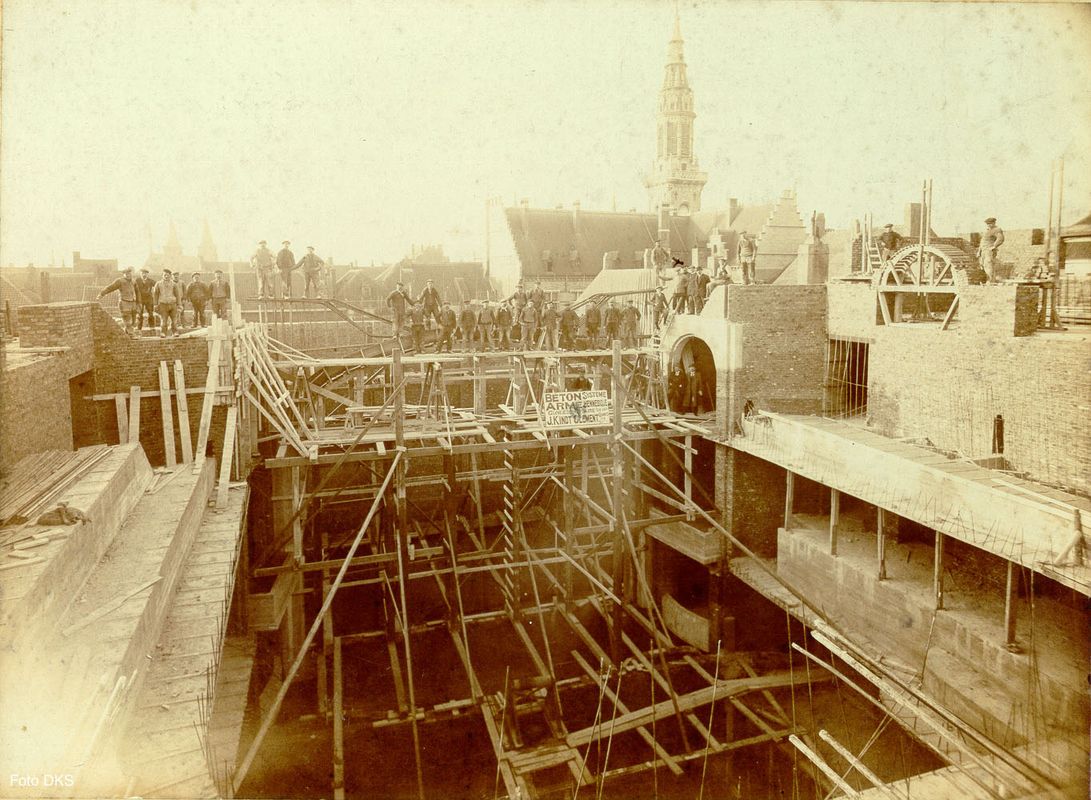
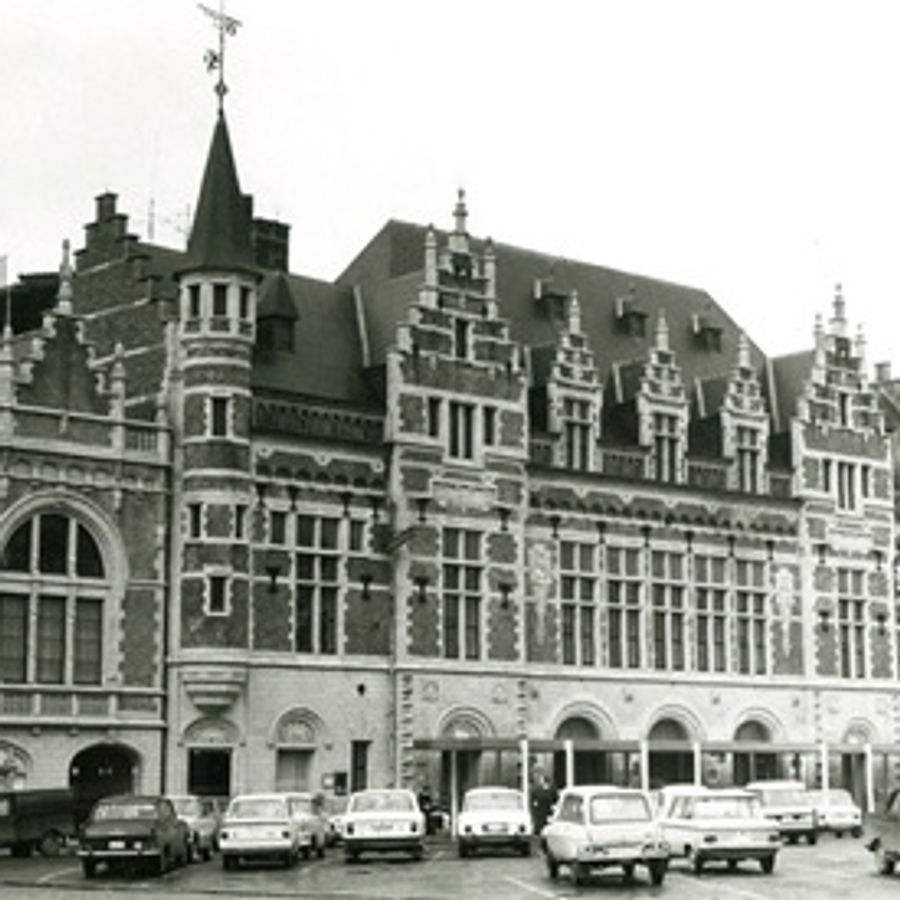
Since 1903 there had been talk of building a theatre in Kortrijk on the site where a monastery had stood since the 17th century. In 1911, the order was finally given to realize the complex.
Architect Jan Robert Vanhoenacker (1875 – 1958) accepted the commission, and on November 27, 1920, the Theatre officially opened its doors for the first time.
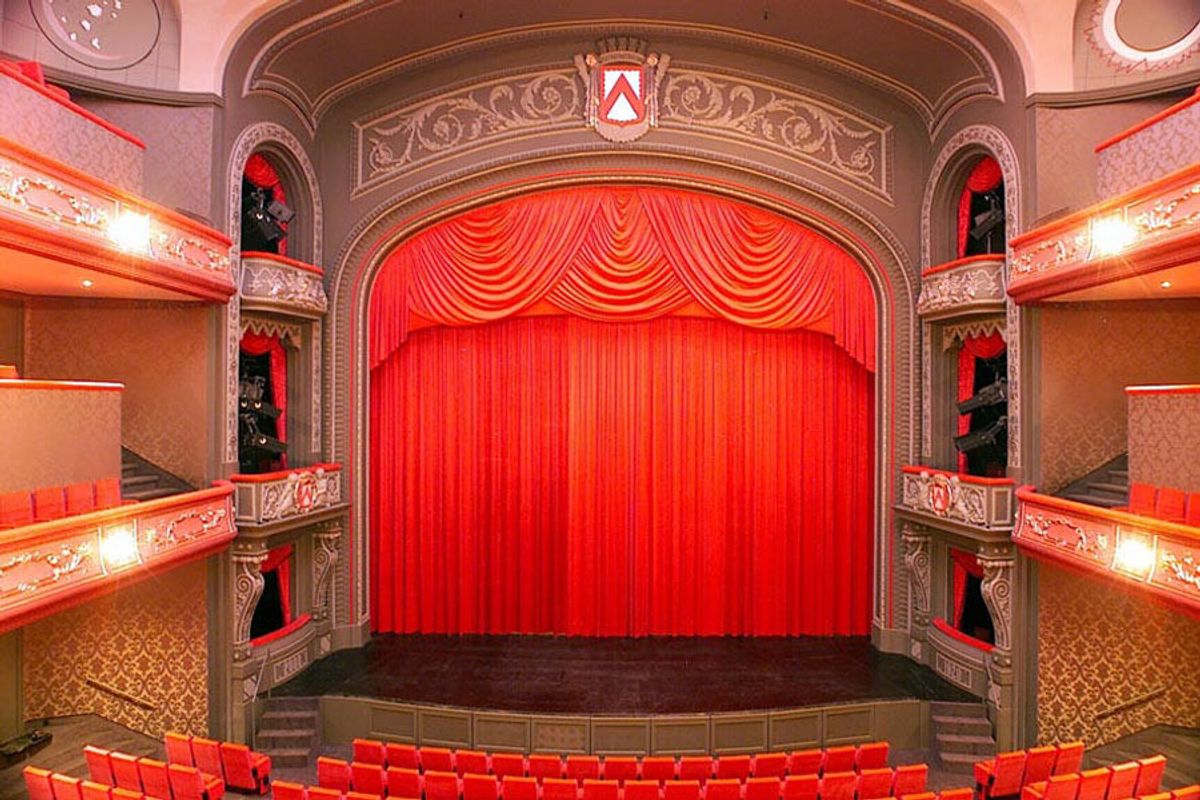
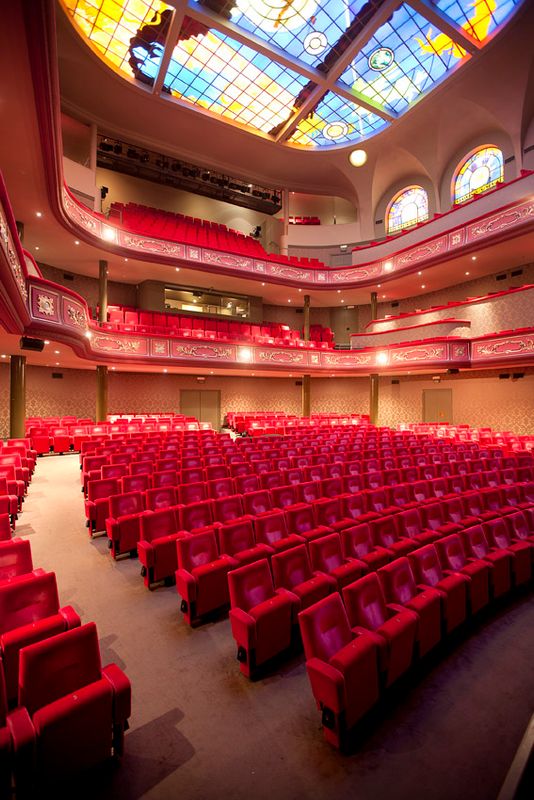
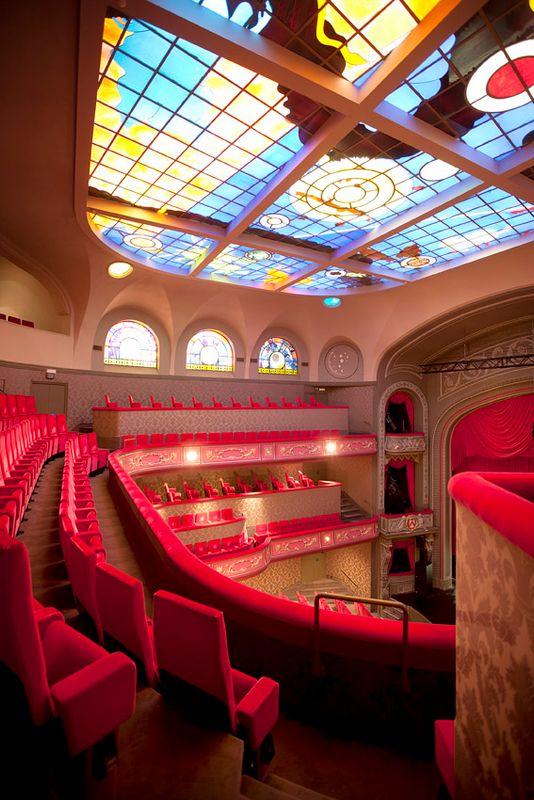
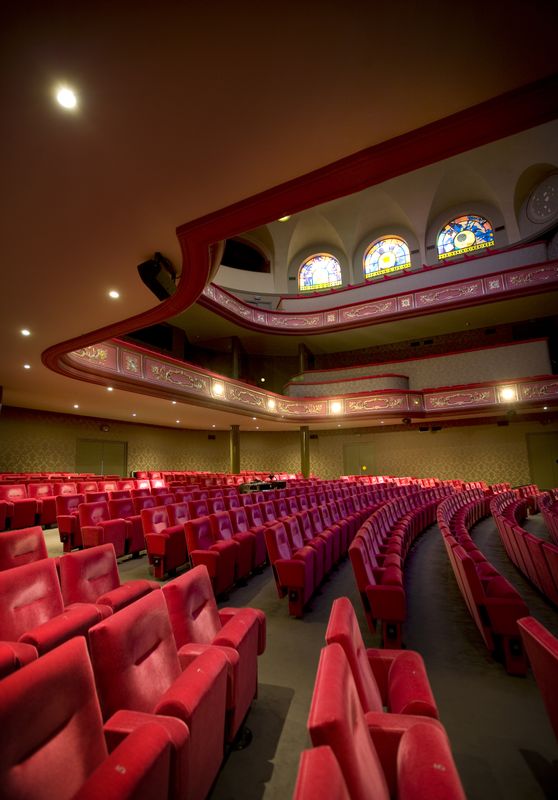
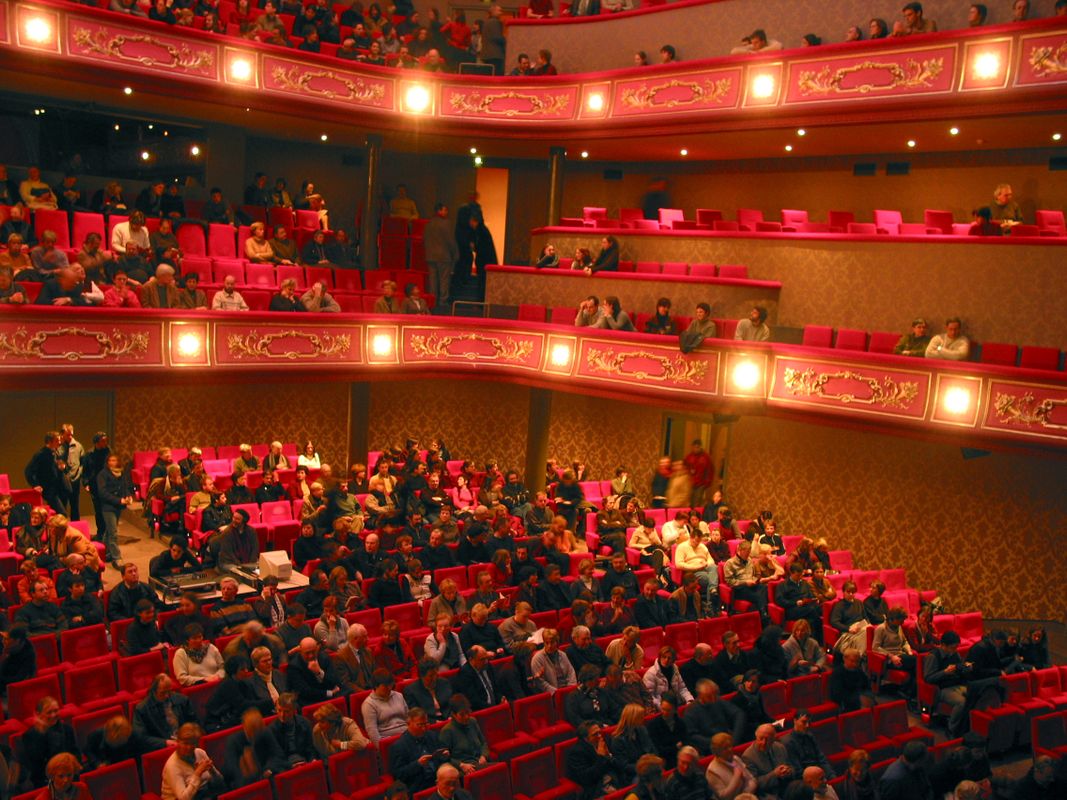
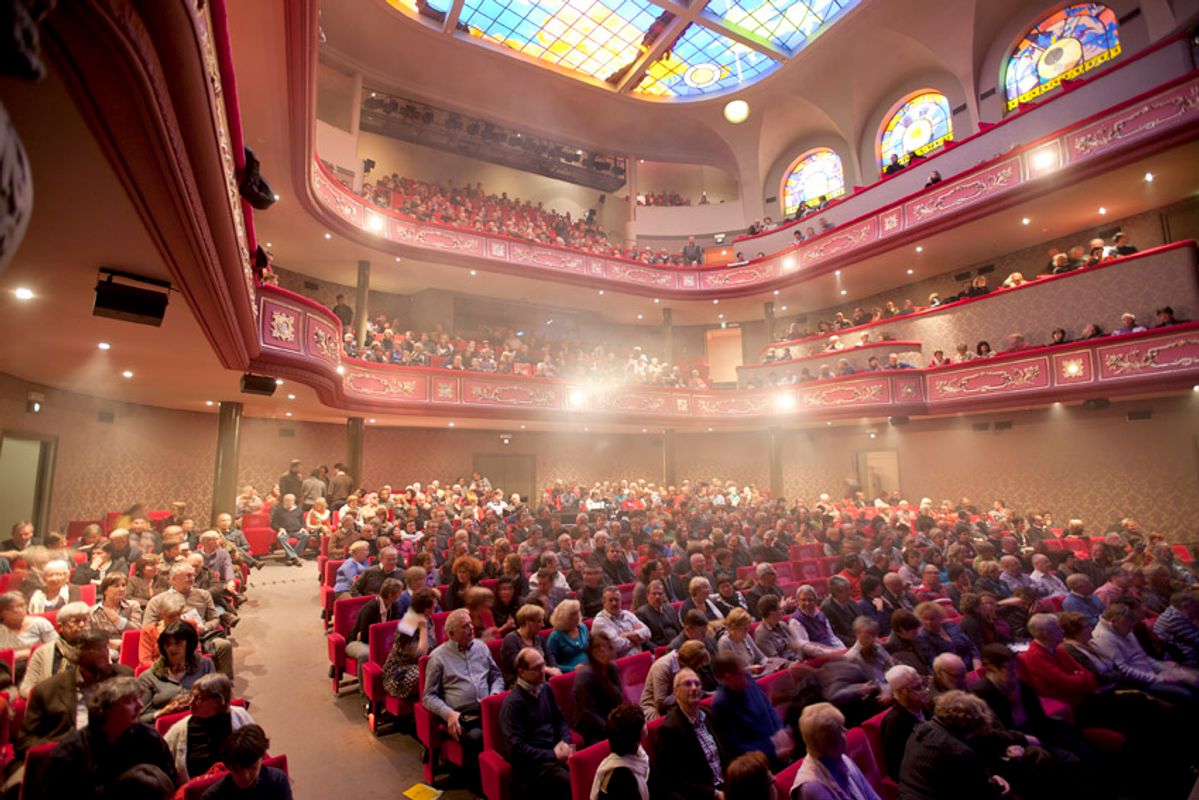
In concept, Schouwburg Kortrijk is a théâtre à l’italienne. The audience takes their seats in the auditorium, which initially accommodated more than 1,300 people. The audience area features a parterre, two balconies, and a gallery. From there, the audience looks through a frame (proscenium) at the other world depicted on the stage.
To make the theatrical illusion as realistic as possible, numerous technical marvels have been incorporated into the Schouwburg: two basement levels with mechanical and iron lifts to make characters appear as if they were rising from the ground, twenty stage wagons to move parts of the scenery on and off, electric lighting, and an ingenious steel theater tower. Vanhoenacker realized all of this within a limited stage space. In fact, the plot for the stage tower was too small from the very beginning. It would take until 1970 to expand the stage.
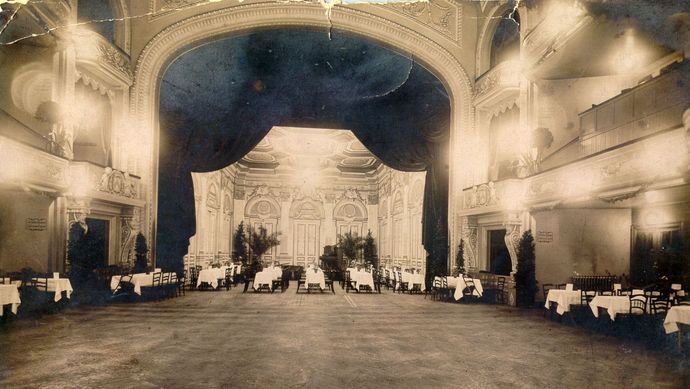
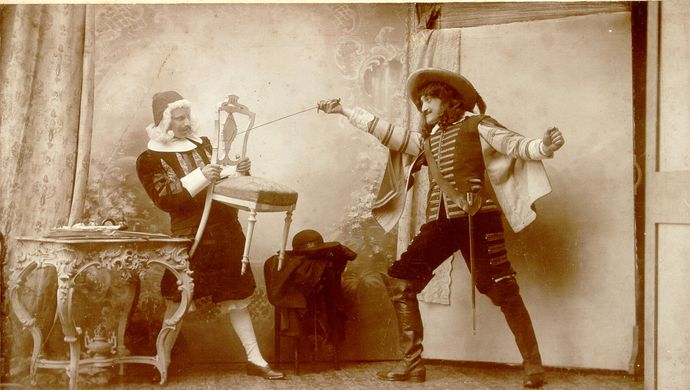
Perhaps the most imaginative feature is the mobile parterre floor. An ingenious lift system is being built in the basement to level the entire ground floor with the stage. After removing the seating, you get one large dance and buffet hall. This allowed it to function as a banquet hall in addition to theater and dance. Thus, banquets, tea dances, and fencing competitions, among other events, could also be organized.
First renovation in 1968
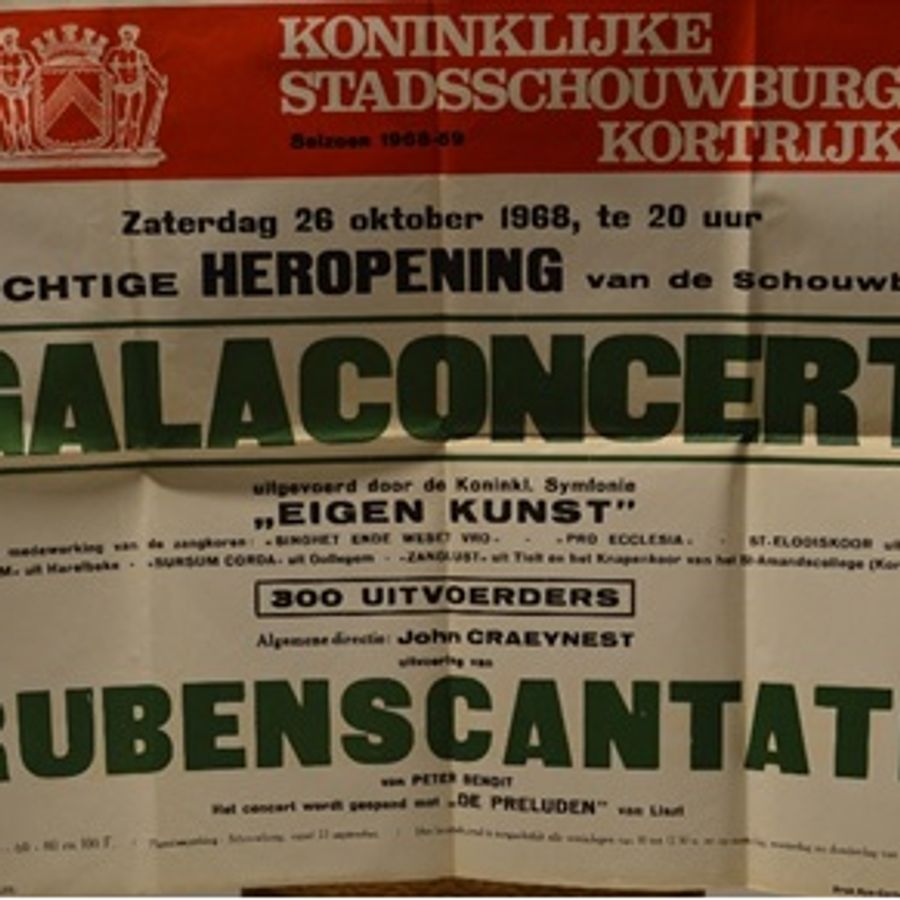
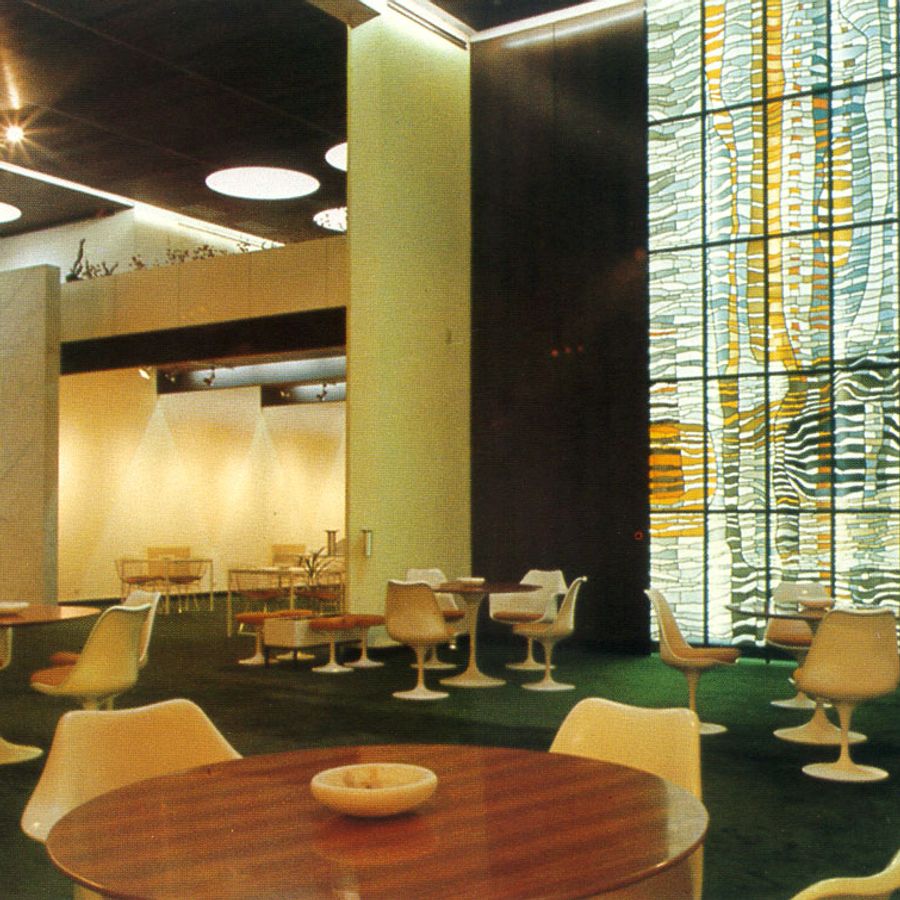
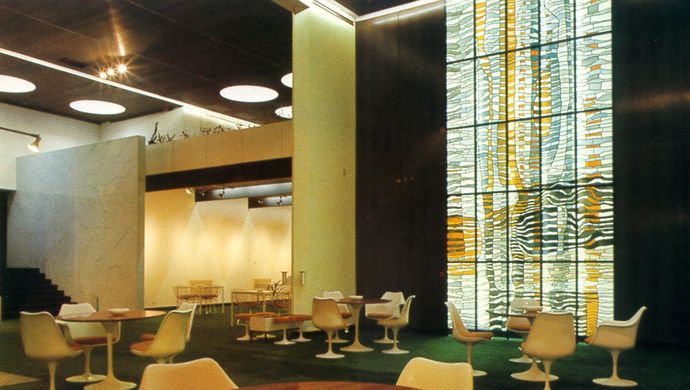
In 1968, the Kortrijk Theatre reopened with Peter Benoit’s Rubens Cantata. ‘Reopened’, because the theatre had undergone a thorough facelift. None other than De Coene was the main contractor for the works. The works were extensive and radical. The building was given a typical sixties look, including new designer furniture. Not coincidentally. In 1967, the first Interior Design Biennial was organized in Kortrijk. The ‘refreshment’ of the Kortrijk Theatre was nothing less than a statement.
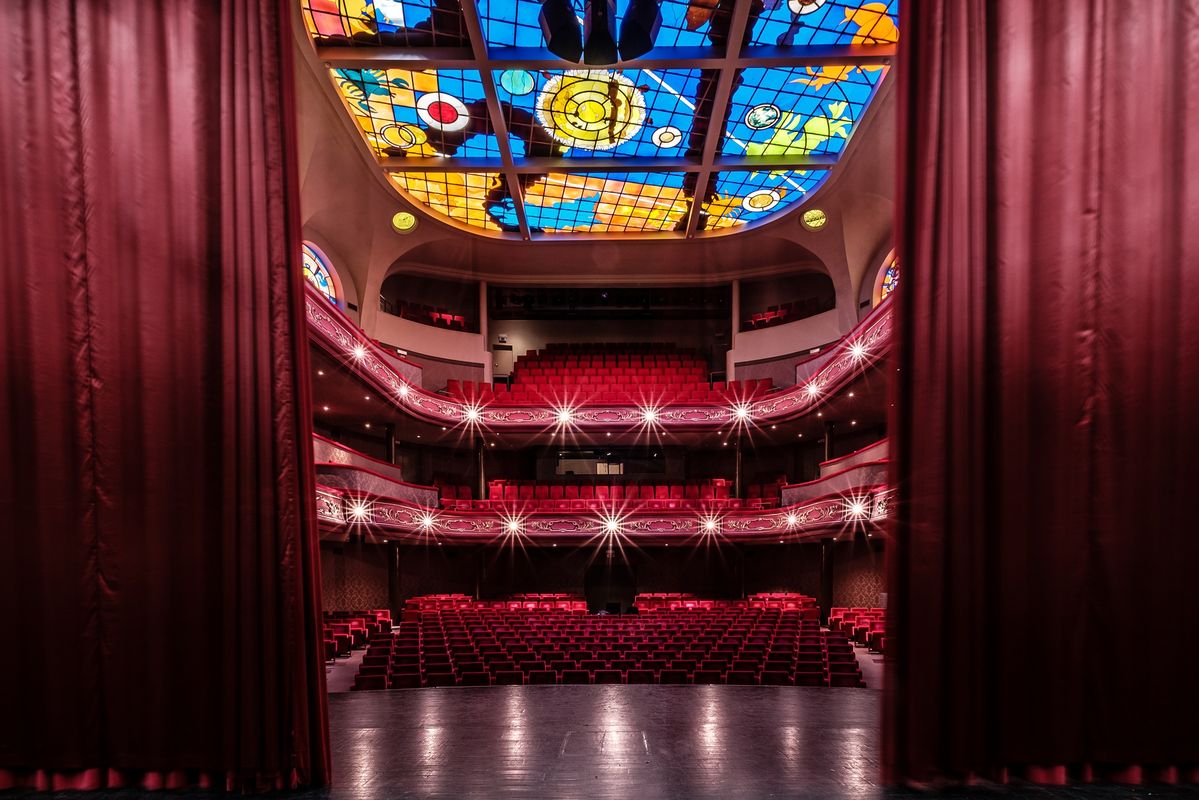
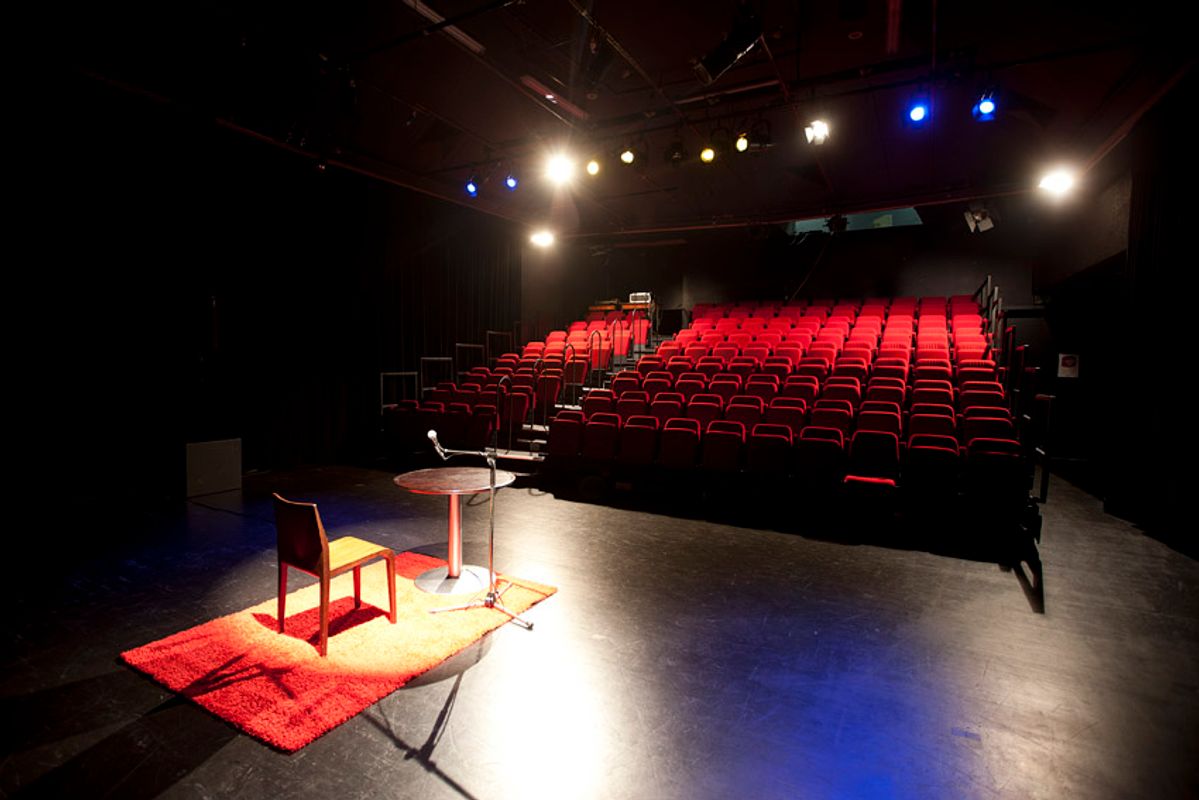
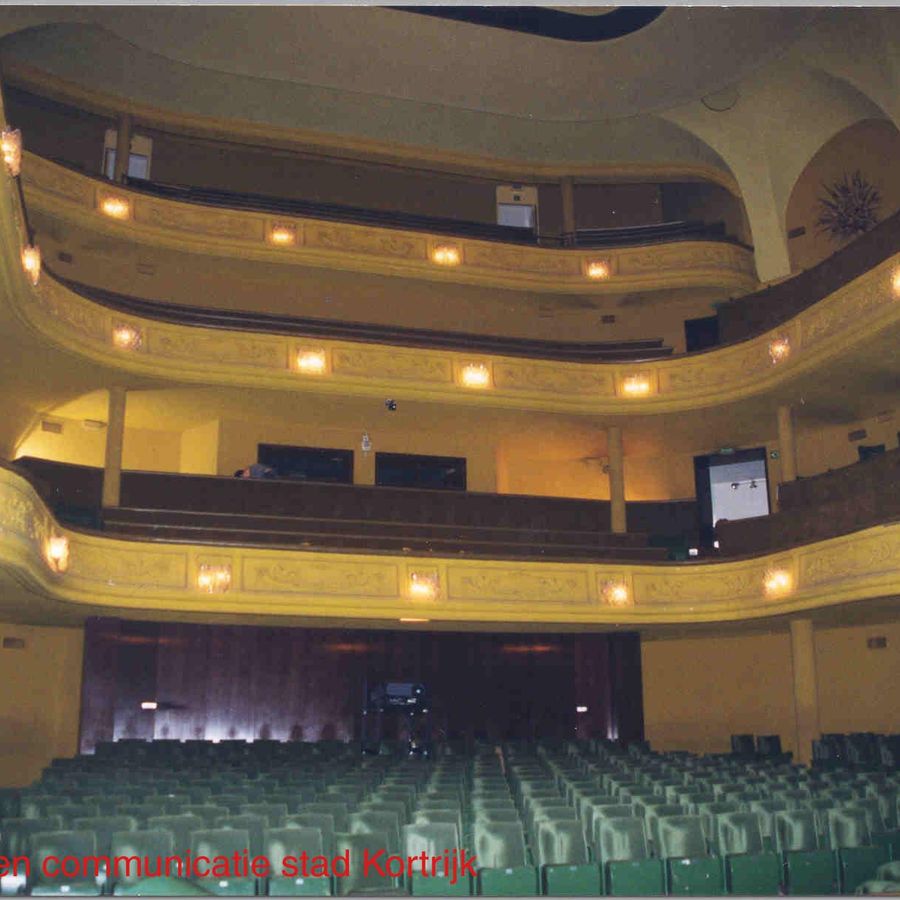
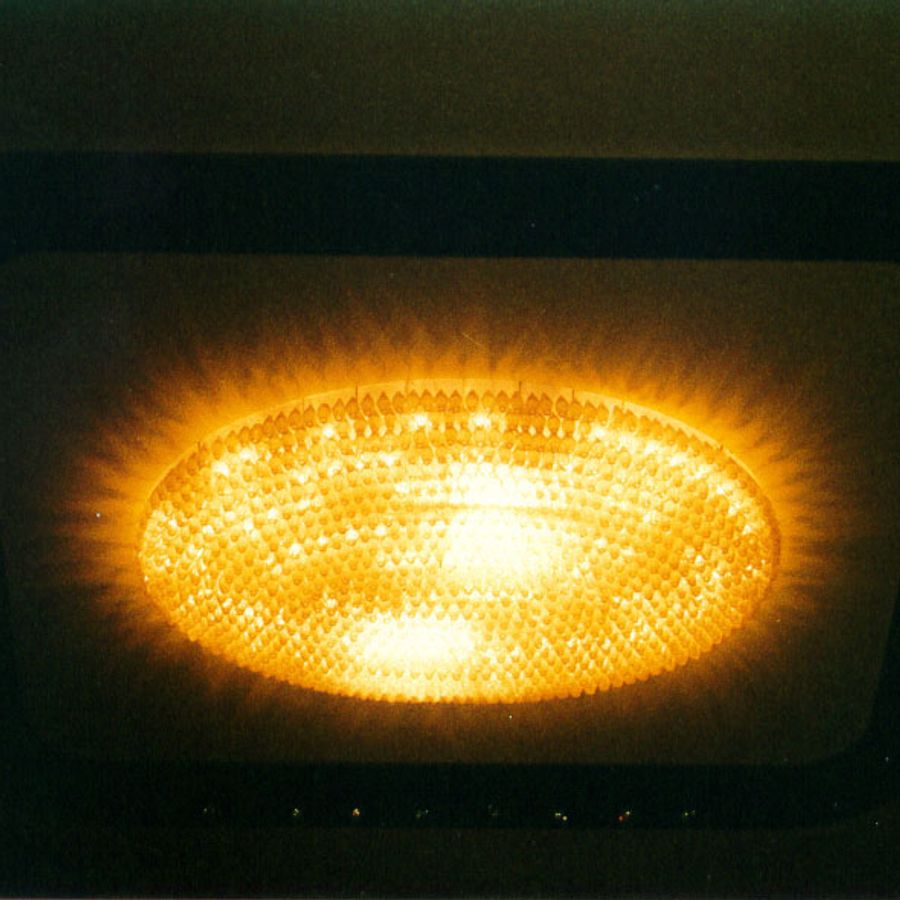
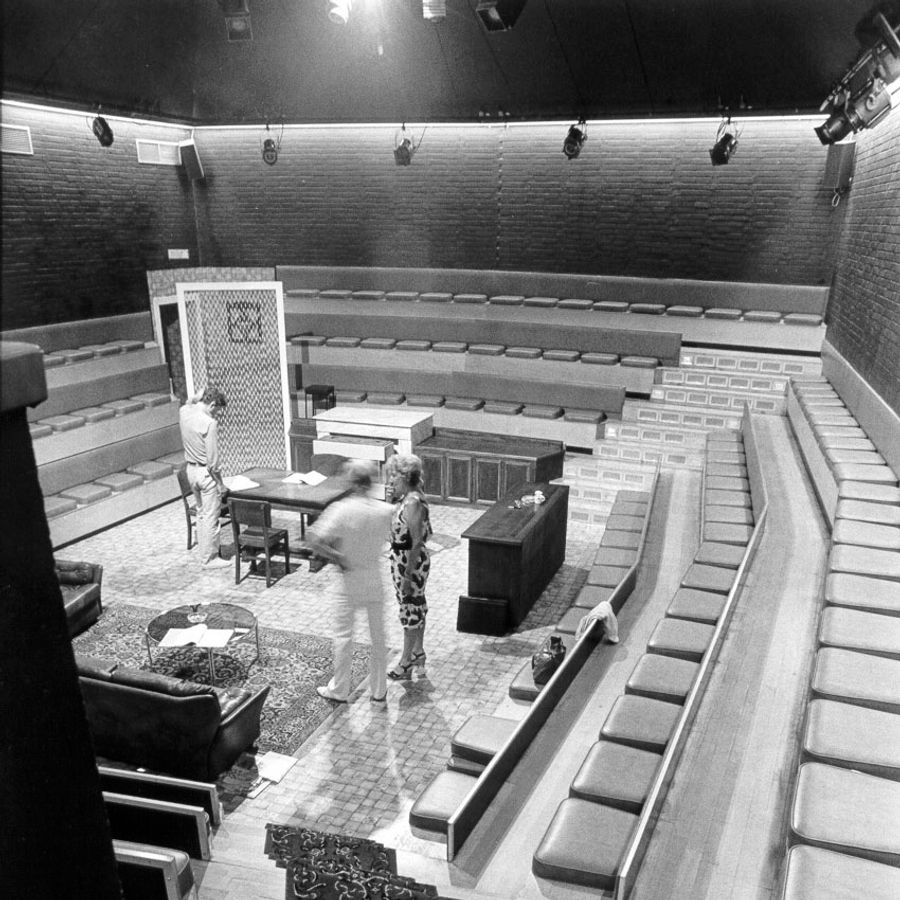
The glass dome in the venue, through which natural light entered, disappeared. In its place came a Murano glass chandelier. The boxes were abolished, and the floor mechanism was deactivated. Perhaps most striking was the choice of ochre-yellow carpet and green seats. The audience capacity dropped to 850 seats. In addition, an entirely new wing was added to the current foyer. The arena theatre (initially used by Theater Antigone), the lower gallery, and the ballet studio are put into use.
On the exterior, the toilets on both sides of the building are removed. The most striking intervention is perhaps the installation of a new canopy for the Kortrijk Theatre. Needless to say, that canopy is not well received by many a Kortrijk resident.
Renovation of 1998-2001
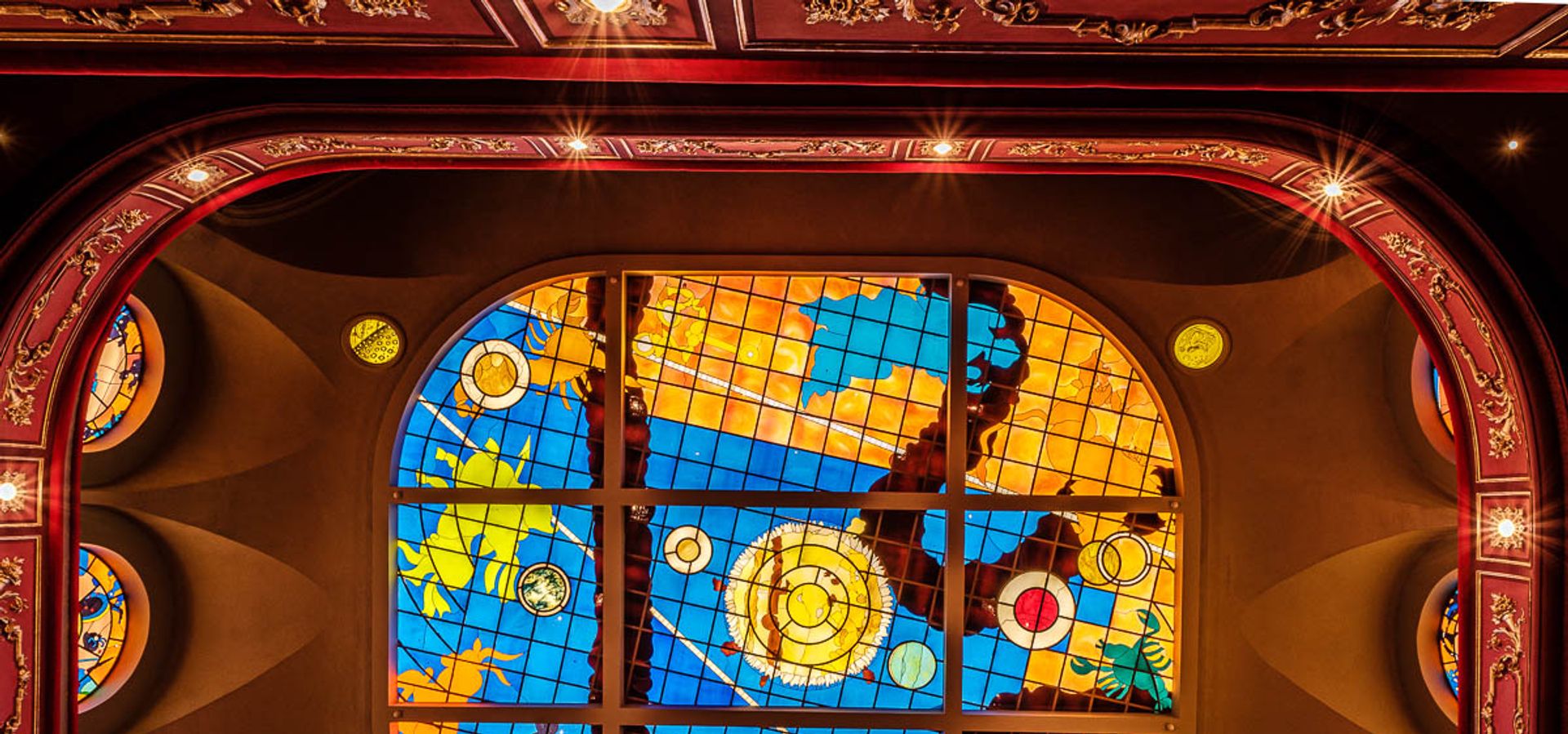
Due to the renovation of 1968, the building had lost much of its original character and splendor. However, not all traces were destroyed. Behind the cladding, many original materials were found. For instance, the beam structure on the first floor was made visible again. The original wrought-iron handrails were also uncovered. Furthermore, an impressive dome structure was discovered in the foyer.
A major intervention during these renovations, barely visible to the public, was the demolition of the old back wall on the stage spanning a total width of 15 meters and a height of no less than 23 meters. This finally allowed the fly loft to be expanded, significantly increasing the performance space.
Creating maximum seating comfort and excellent visibility, while maintaining the maximum number of seats, was the starting point for this design. Seating comfort primarily refers to legroom and seat width. Seats were given more legroom throughout. The visibility of the stage was enhanced in two ways. The floor slope below was raised and the third central balcony was lowered.
A number of further interventions and modernizations
Renovation of the foyer
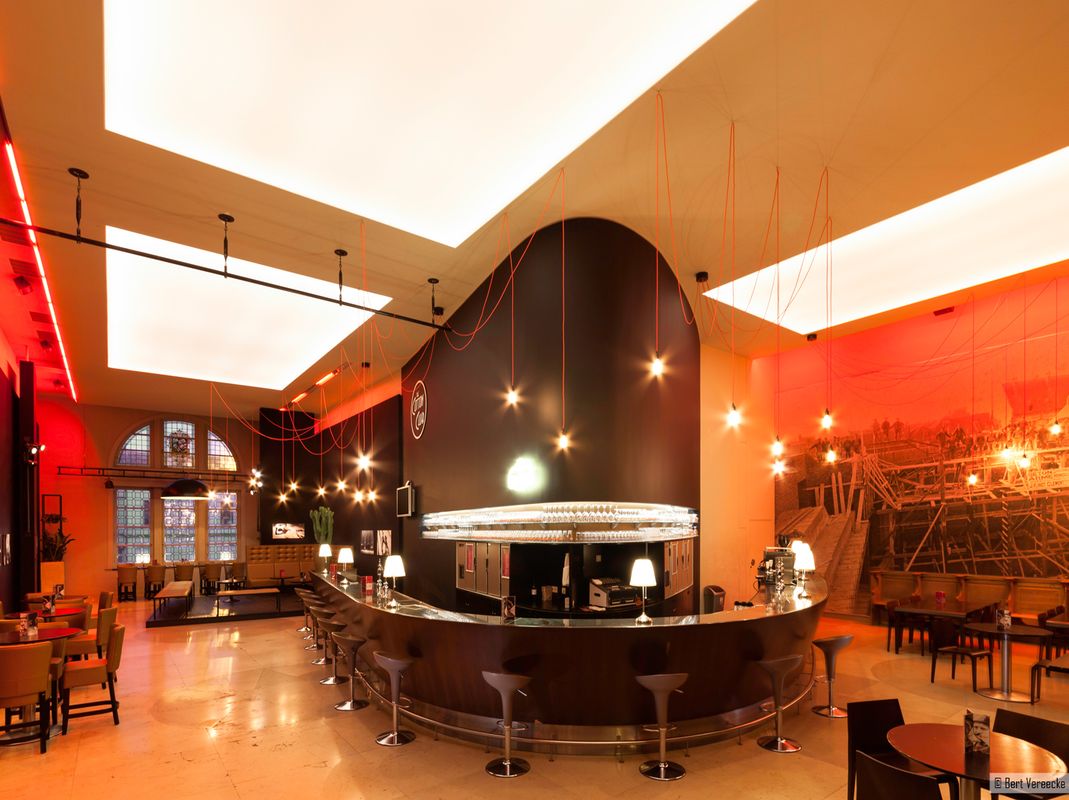
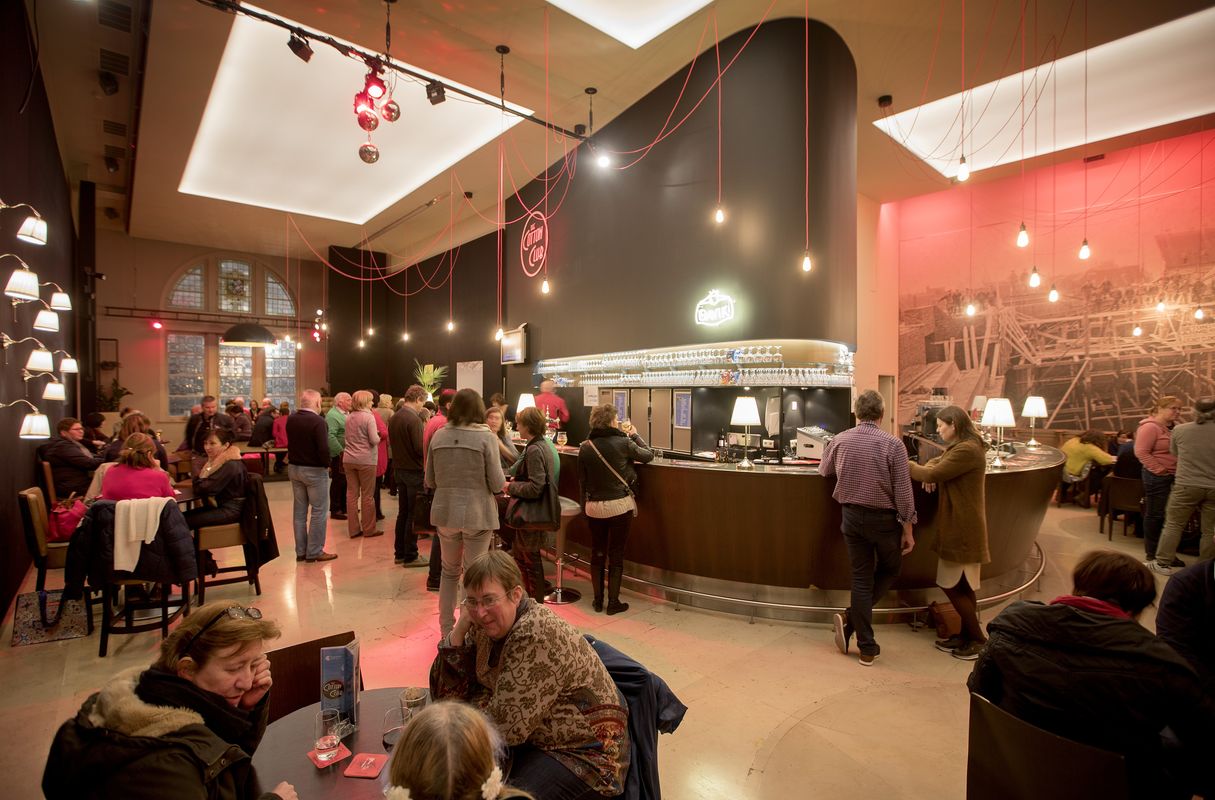
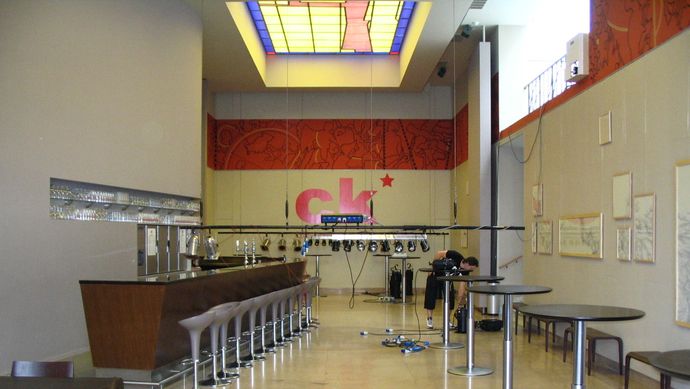
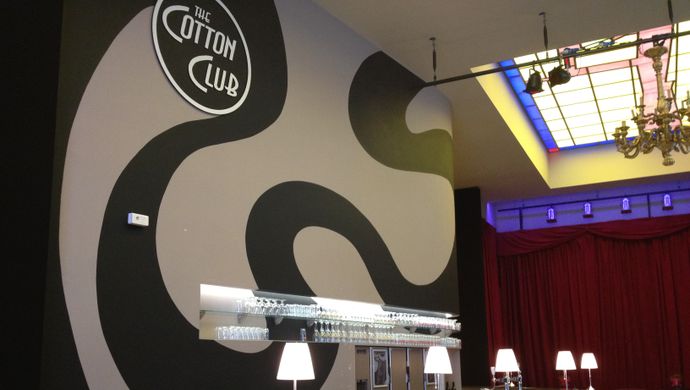
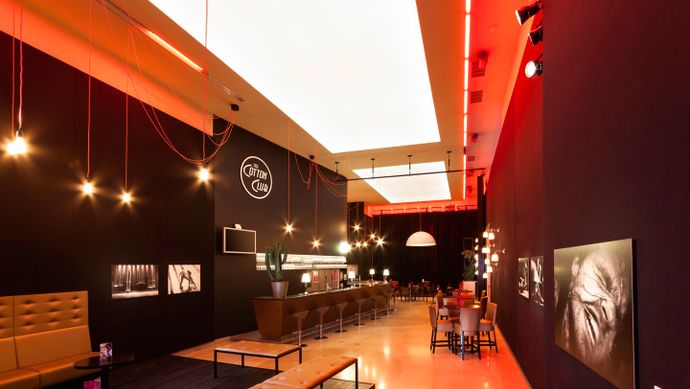
Our foyer has become a dynamic meeting place, a space for relaxation during intermissions, but also suitable for exhibitions, receptions, and performances. As a result, our foyer has undergone several refurbishments over the years to ensure it remains as cozy and pleasant as possible for everyone.
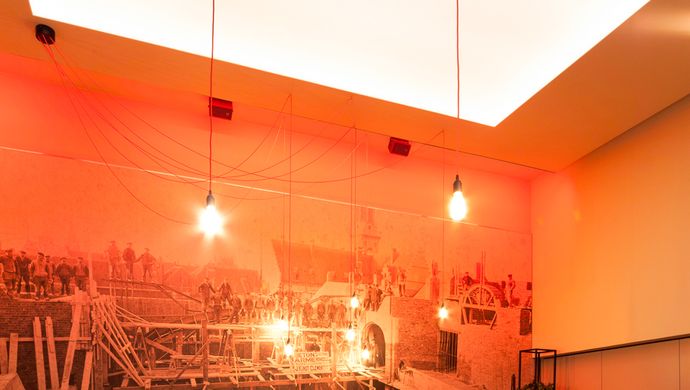
The first renovation of the foyer began in early September 2000. The green carpet was removed throughout, and new furniture and a new bar were installed, among other things. In 2012, the foyer received a fresh coat of paint, several walls were covered with black fabric, and mood lighting on the walls and tables completed the look. In 2015, the foyer underwent a further refurbishment for the – for the time being – final time. The stained-glass windows in the ceiling were concealed under a stretch ceiling and fitted with light strips. Additionally, a historical photo was added to the back wall spanning the entire length of the wall.
Installing an automatic fly system
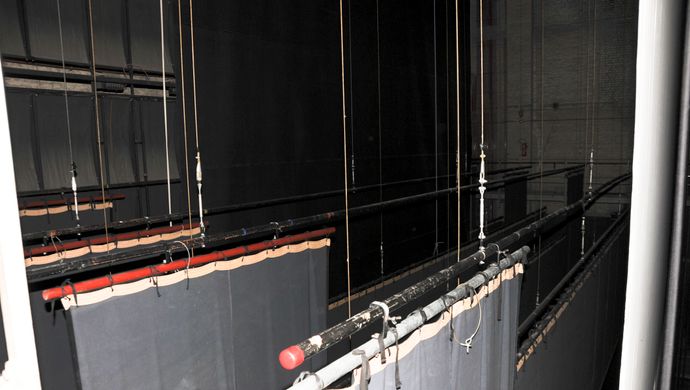
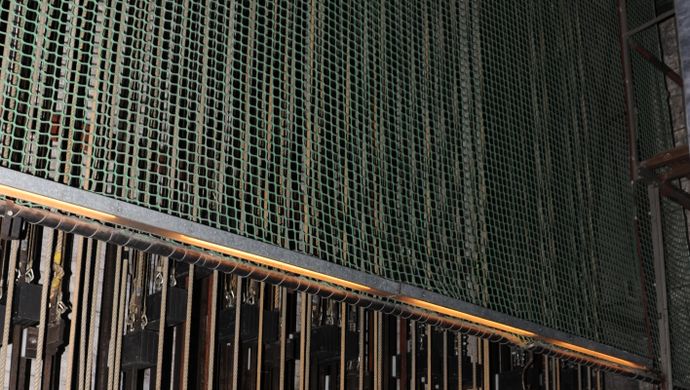
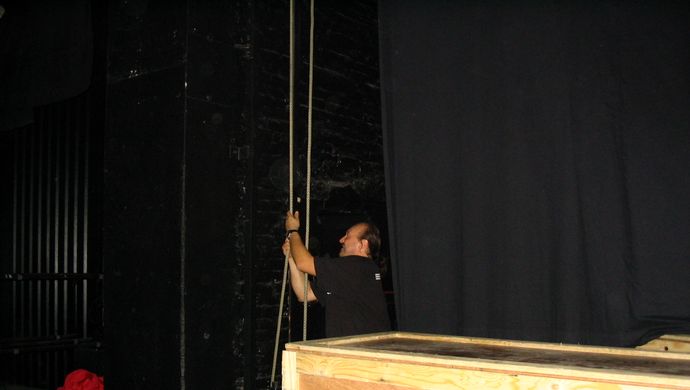
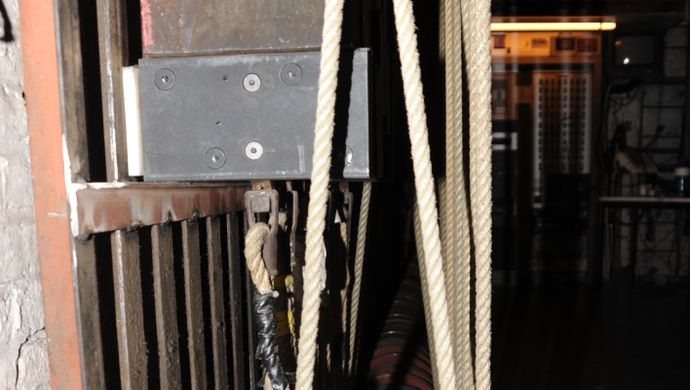
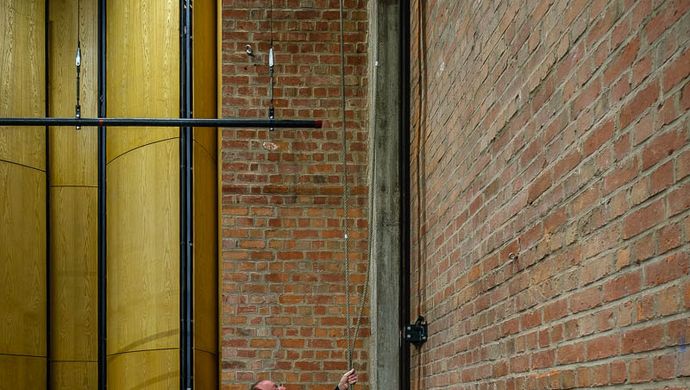
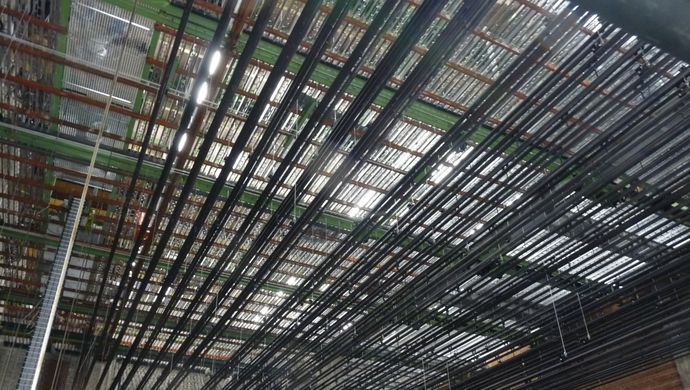
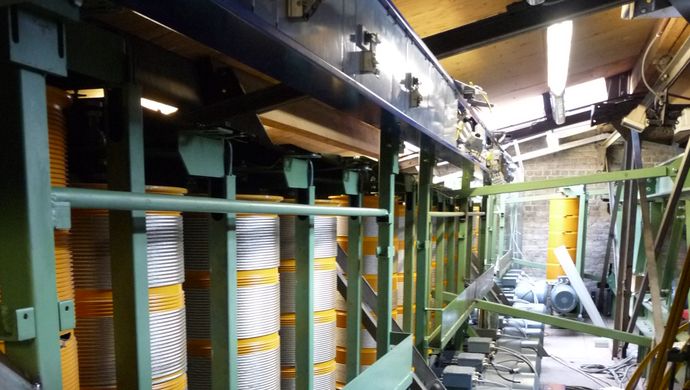
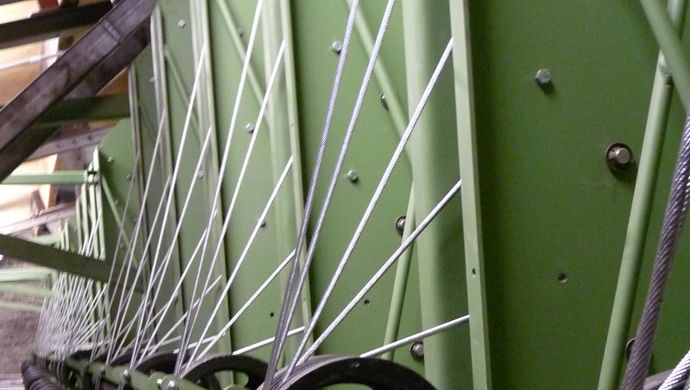
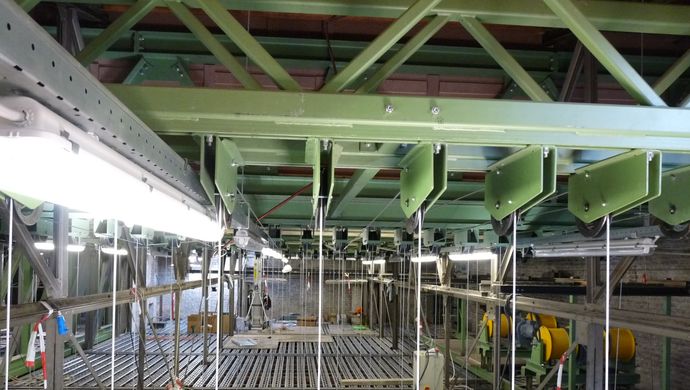
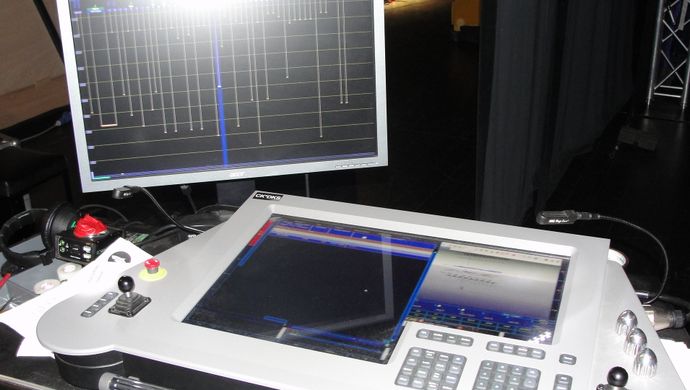
Another intervention that, while less visible to the public, offers enormous added value from a technical perspective, is the installation of an automatic fly system. Initially, the hoists were operated manually by various theater technicians. The function of a (manual) hoist is to bring scenery, lighting, etc., onto or above the stage. Primarily for ergonomic, practical, and safety reasons, the manual hoists were removed in 2009 and replaced by an automatic fly system.