


How do you make it ... Livia Jouan (Studio T.)
.jpg)
Livia Jouan (1996) studied scenography in Paris, then took a course at the circus school in Bordeaux and subsequently moved on to ESAC in Brussels. After graduating from ESAC, she founded the company Studio T. in 2022.
How do you make it?
Everything starts with a feeling. A first intuition, a small impulse that is not yet entirely clear, but says: “I want to try something new.” Often this comes from a costume, a specific material, or a movement that I want to explore.
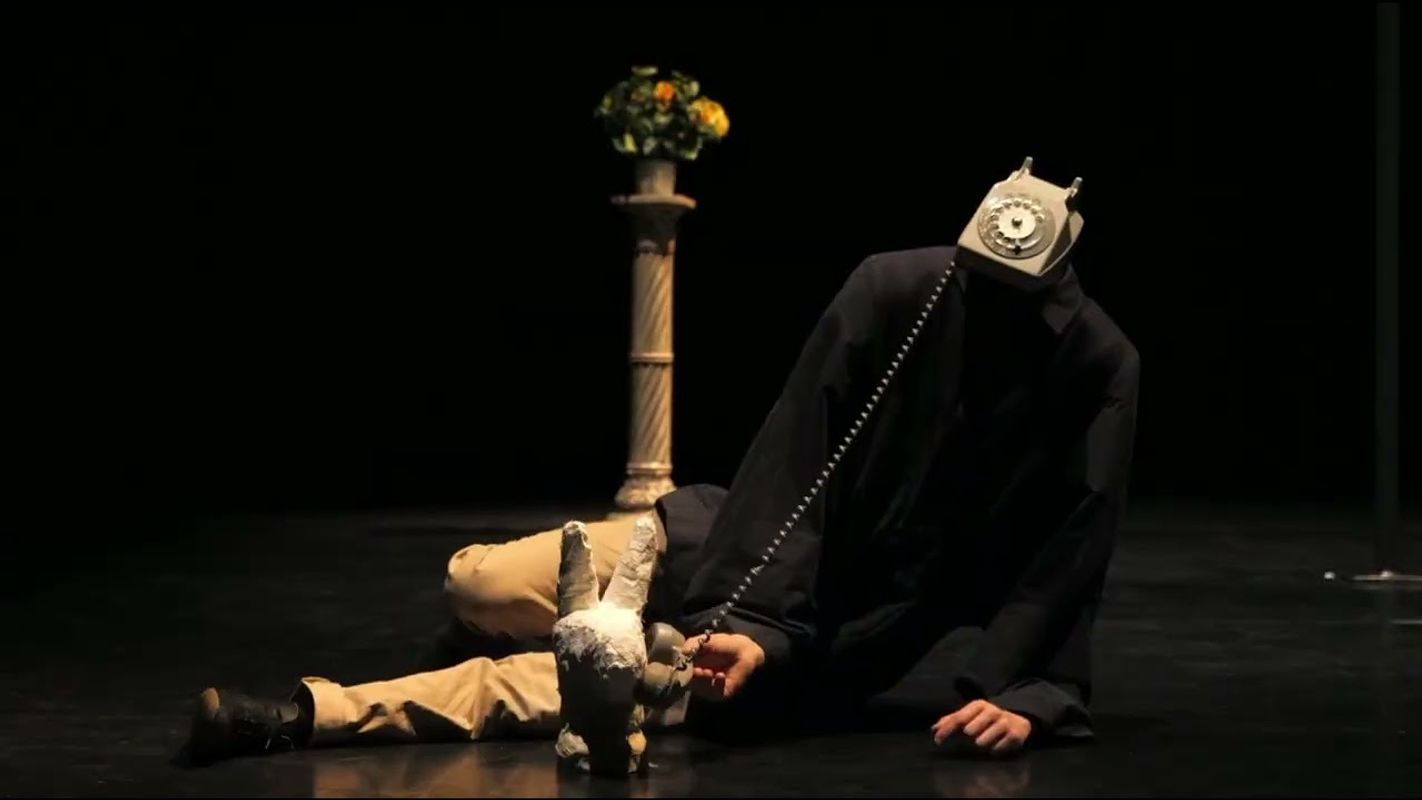
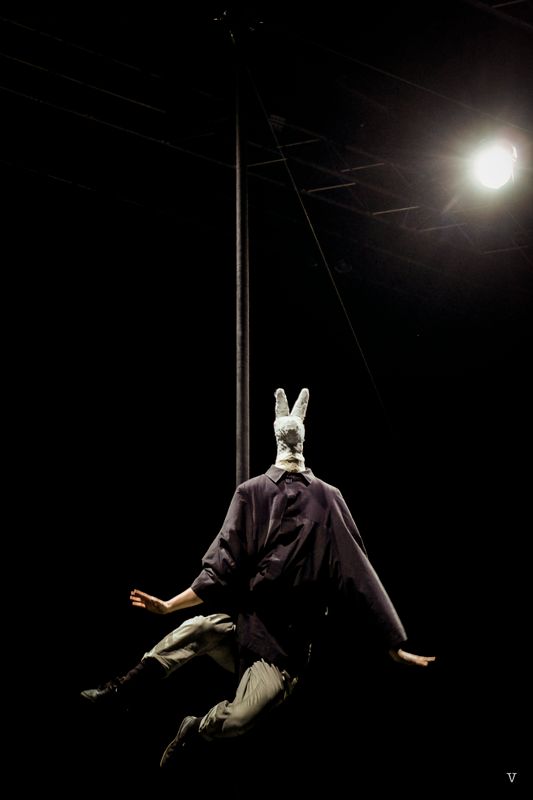
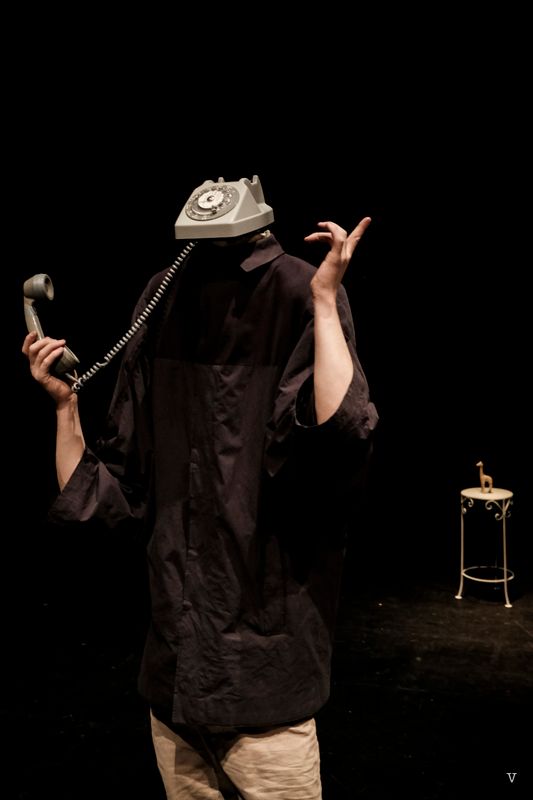
For ‘Les fêlures de Monsieur T.’ I wanted to make my body look different – longer, strange, almost unrecognizable – while also remaining hidden. Then I remembered a piñata in the shape of a llama. I had once cut off its head and worn it as a hat. That’s how 'Monsieur T.' was born.
When that first impulse becomes clearer, an analysis begins. We examine the movements closely and figure out why they feel or work the way they do. Those intuitions are never just coincidental. By dissecting everything, we find an initial answer. And from that moment on, we can start to play.
Improvisation and exploration yield new material: small pieces of movement, ideas, images. This forms the basis of the performance.
Once there is enough material, we start writing: putting everything in the right order so that it becomes a whole. For this, I collaborate with a dramaturg. They ensure that the performance remains clear and carries exactly the meaning we want to convey.
Why do you make it?
For me, everything starts with a strong need to express something. Live performances are one of the ways I can do that. That need is so powerful that it doesn’t require an explanation: it has to come out, exactly in this way. Probably because some things can only be expressed through the stage.
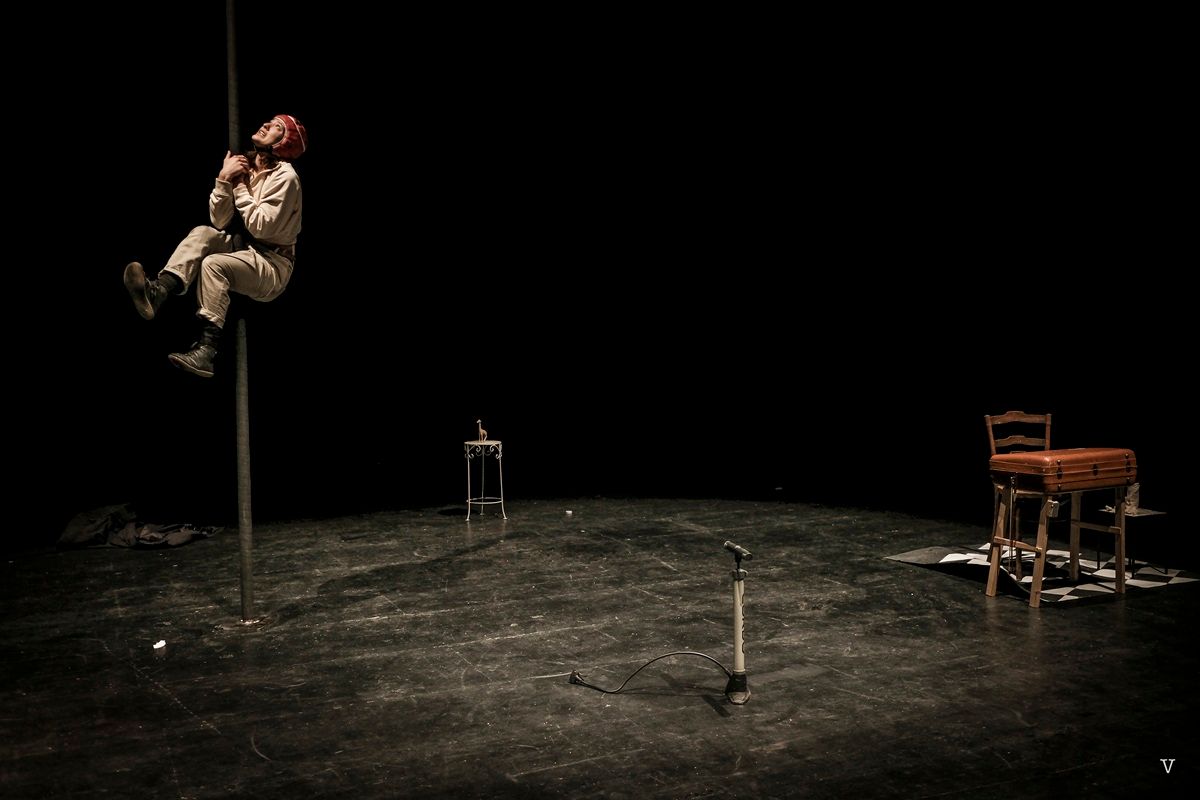
‘Les fêlures de Monsieur T.’ is my first play. I felt on various levels that I had to make it. On one hand, I wanted to prove to myself that I could do this. But more importantly was my relationship with the stage. The play starts from personal themes such as gender identity and introversion. By placing those themes on stage, they become larger: they are about how we stand in the world, how we shape ourselves, and how we deal with norms and boxes in which we sometimes get stuck.
Ultimately, the play is about identity and self-affirmation.
I think this is also the role of an artist: to translate something personal into something universal, so that others can recognize themselves in it.
Who are you working with?
I work with fantastic people. For ‘Les fêlures de Monsieur T.’, the team gradually grew during the making of the performance.
Sara Lemaire, the dramaturg, has been there from the very beginning. Her perspective and analysis are very important to me. Carla Kühne made the props, which play a significant role in the performance. It’s great to have someone with whom you can share crazy ideas, and who then figures out how to actually make them happen. Paul Longuebray handles the technical aspects. He works very precisely, and his contribution is immensely valuable. Vladimir Leroy, with whom I share the stage, has truly brought his character to life. He is an indispensable partner and support.
These are also friends whom I completely trust.
Additionally, there are other important people: The music was created by Karen van Schaik and Alice Vande Voorde, the lighting design is by Valentin Boucq, and others helped with acting, puppetry, and costumes. And finally, there are the partners and co-producers – the people who believed in us and provided us with the resources to create this performance.
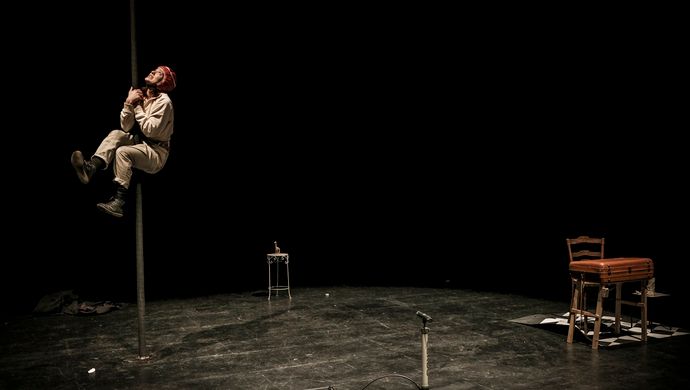
Les Fêlures de Monsieur T. (8+)
Studio T.